Telepsychiatry · 6 min read
The Benefits of Telepsychiatry: Real Psychiatric Care, Wherever You Are
If you have been putting off psychiatric care because of long waitlists, a packed schedule, or simple discomfort with the idea of a waiting room, telepsychiatry was built for you. It delivers the same evaluation, diagnosis, and treatment you would receive in an office, from wherever you feel most comfortable. Here is why that matters and how it works in practice.
Medically reviewed by Shariq Refai, MD, MBA, FAPA, board certified psychiatrist · Published July 18, 2024 · Last reviewed June 8, 2026 · Editorial policy

Why Mental Health Care Matters
Overall health starts with mental health. When someone is struggling emotionally, the effects rarely stay contained; they spread into relationships, work performance, sleep, motivation, and physical health, often subtly at first and then unmistakably. What begins as irritability or trouble concentrating can evolve into exhaustion, strained relationships, and lost confidence.
Conditions like anxiety disorders, depression, and bipolar disorder are common and highly treatable. Left unaddressed, they tend to worsen and can raise the risk of more serious outcomes. The goal of care is not simply to erase symptoms; it is to help you function well, think clearly, and feel in charge of your own life again.
Why People Wait to Get Help
Stigma is still the most common reason people delay care. Many worry that seeing a psychiatrist means something is wrong with them, a concern that runs especially deep among athletes, students, executives, and others who feel pressure to appear unaffected. Others assume their symptoms are not bad enough to deserve attention.
Access is the other barrier. In many regions, finding a psychiatrist means long waits or long drives, and even in cities, scheduling conflicts and travel time push appointments down the priority list. These are practical problems, and telepsychiatry was designed to solve them practically.
What Telepsychiatry Actually Changes
Telepsychiatry is real psychiatric care delivered by secure video: the same evaluation, diagnosis, and treatment planning you would receive in an office, conducted wherever you have privacy and a stable connection, whether that is your home, your car, or your office. For many people, a familiar environment makes it easier to speak openly than a clinical waiting room ever did.
It also removes the logistics that derail follow-through: travel, parking, time off work, sitting among strangers. When care fits into real life instead of competing with it, people are far more likely to start treatment and, just as importantly, to continue it. You can read more about how telepsychiatry works and what to expect at your first appointment.
What Treatment Can Do for You
Working with a psychiatric clinician helps you understand how your thoughts, emotions, and behaviors interact, and which patterns are quietly feeding your distress. Effective treatment can reduce the weight of anxiety and stress, stabilize mood, and improve sleep and energy. Many patients notice their physical health improves alongside their mental health.
Care is not about labeling you with a diagnosis. It is about tools, perspective, and support so you can function at your best. Over time that often looks like stronger relationships, better boundaries, and a more sustainable approach to work and life demands. Treatment supports resilience, not perfection.
How shrinkMD Approaches Care
shrinkMD is a physician-led telepsychiatry practice for adults 18 and older, currently serving multiple states: Florida, Georgia, Texas, California, Nebraska, New York, Virginia, Maine, Indiana, and Hawaii. Care begins with a thorough psychiatric evaluation, and new patients are typically seen as soon as clinician availability allows rather than months. See where we practice and how the process works.
We keep the model transparent: flat published fees instead of insurance billing, with superbills available if you want to seek reimbursement from your plan. We also practice conservatively. We do not prescribe controlled substances such as stimulants or benzodiazepines, and we build evidence-based plans that combine medication when appropriate with therapy and lifestyle changes. If you are in crisis, please call or text 988, or call 911, rather than waiting for an appointment.
Education Is Part of Good Care
Treatment goes further when patients understand their own conditions, which is why education sits alongside clinical care in our approach. Accurate, plain-language information helps people recognize symptoms earlier, ask better questions, and participate fully in decisions about their care. Our glossary is a good place to start.
Whether you are exploring support for the first time or looking for a more convenient way to continue care you already value, telepsychiatry has made high-quality psychiatry genuinely accessible. The hardest step is usually the first one, and that step no longer requires leaving your home.
Key takeaways
Five things to remember
- Telepsychiatry provides the same evaluation, diagnosis, and treatment planning as an office visit, delivered by secure video wherever you have privacy.
- Stigma and access problems like long waits and travel are the main reasons people delay psychiatric care, and virtual visits remove both.
- When appointments fit into real life instead of competing with it, people are more likely to start treatment and continue it.
- shrinkMD treats adults 18 and older in multiple states with flat published fees, superbills on request, and no controlled substance prescribing.
- A first visit requires only a camera-equipped device, reliable internet, and somewhere private to talk, and new patients are typically seen as soon as clinician availability allows.
Keep exploring
Keep reading, or take the next step
Frequently asked questions
Good questions, clear answers
Is telepsychiatry as effective as in-person psychiatry?
For most outpatient conditions, yes. Research consistently shows that video-based psychiatric evaluation, medication management, and therapy produce outcomes comparable to in-person care, with better attendance and continuity for many patients.
What do I need for a telepsychiatry appointment?
A device with a camera, a stable internet connection, and a private space where you feel comfortable talking, whether that is your home, your parked car, or a quiet office. That is genuinely all.
Can a psychiatrist prescribe medication through telepsychiatry?
Yes. Prescriptions are sent electronically to your pharmacy. Note that shrinkMD does not prescribe controlled substances such as stimulants or benzodiazepines; we focus on evidence-based, non-controlled treatment options.
Does shrinkMD accept insurance?
No. We use flat, published fees so there are no surprise bills, and we provide superbills you can submit to your insurer for possible out-of-network reimbursement.
How quickly can I be seen?
Typically as soon as availability allows of reaching out, rather than the weeks or months common with traditional psychiatric practices. Telepsychiatry is not for emergencies, though; in a crisis, call or text 988 or call 911.
Is telepsychiatry private and secure?
Yes. Visits take place over HIPAA-compliant, encrypted video platforms, and you choose the location, which many patients find more private than a waiting room in their own community.
Who is telepsychiatry a good fit for?
Adults 18 and older dealing with anxiety, depression, mood disorders, insomnia, stress, and related conditions. People with demanding schedules, limited local options, or privacy concerns often benefit most.
What happens at the first appointment?
A comprehensive psychiatric evaluation: your history, current symptoms, medical context, and goals. You and your psychiatrist then build a plan together, which may include therapy, medication, lifestyle changes, or a combination.
About the author
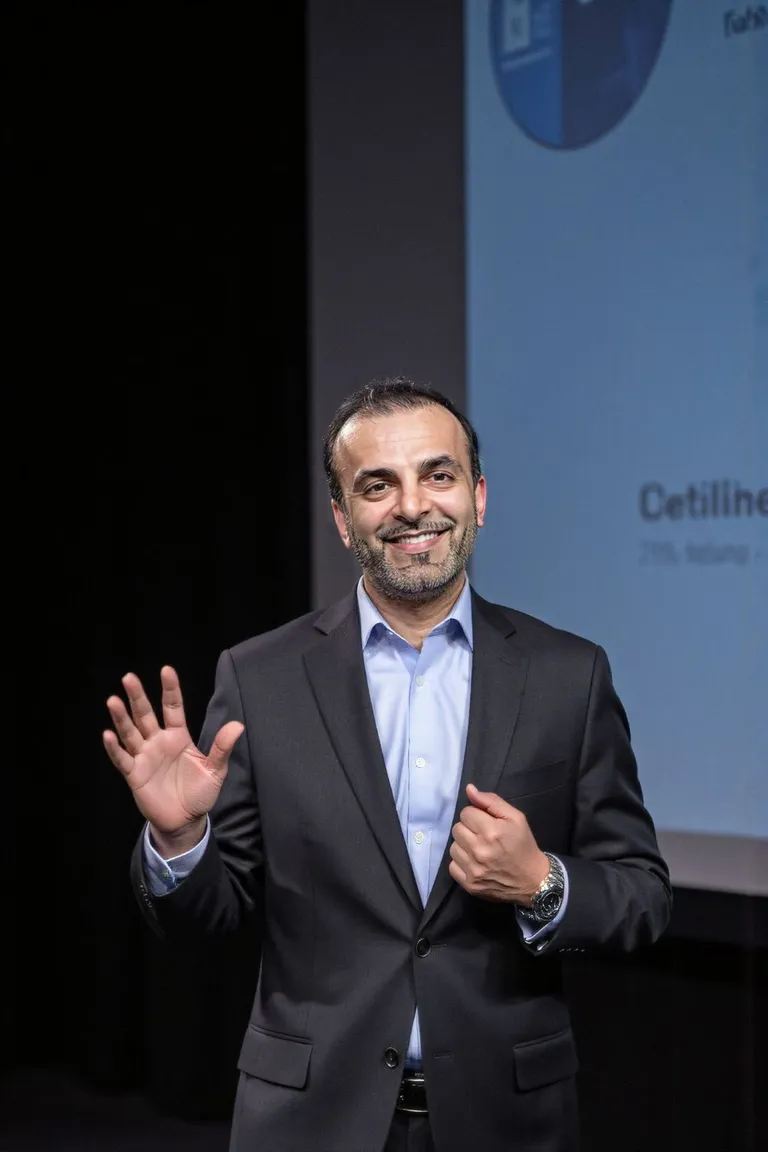
Shariq Refai, MD, MBA, FAPA
I am a board certified psychiatrist and the founder of shrinkMD, a telepsychiatry platform built around access, continuity, and clinical rigor. My work focuses on helping people understand their mental health clearly and thoughtfully, without rushing to conclusions or shortcuts. I have clinical experience across a range of settings, including work with high-performing individuals and professional athletes, and I remain committed to care that is careful, individualized, and grounded in sound clinical judgment. shrinkMD provides psychiatric care across multiple licensed states in the US, with an emphasis on responsible telepsychiatry and long-term continuity.
Questions like these deserve a real evaluation
Meet a board certified psychiatrist by video, as clinician availability allows. Flat fees, no insurance games, adults 18 and over in multiple states.
Join Our Waiting List