Specialty Populations
Veterans Mental Health
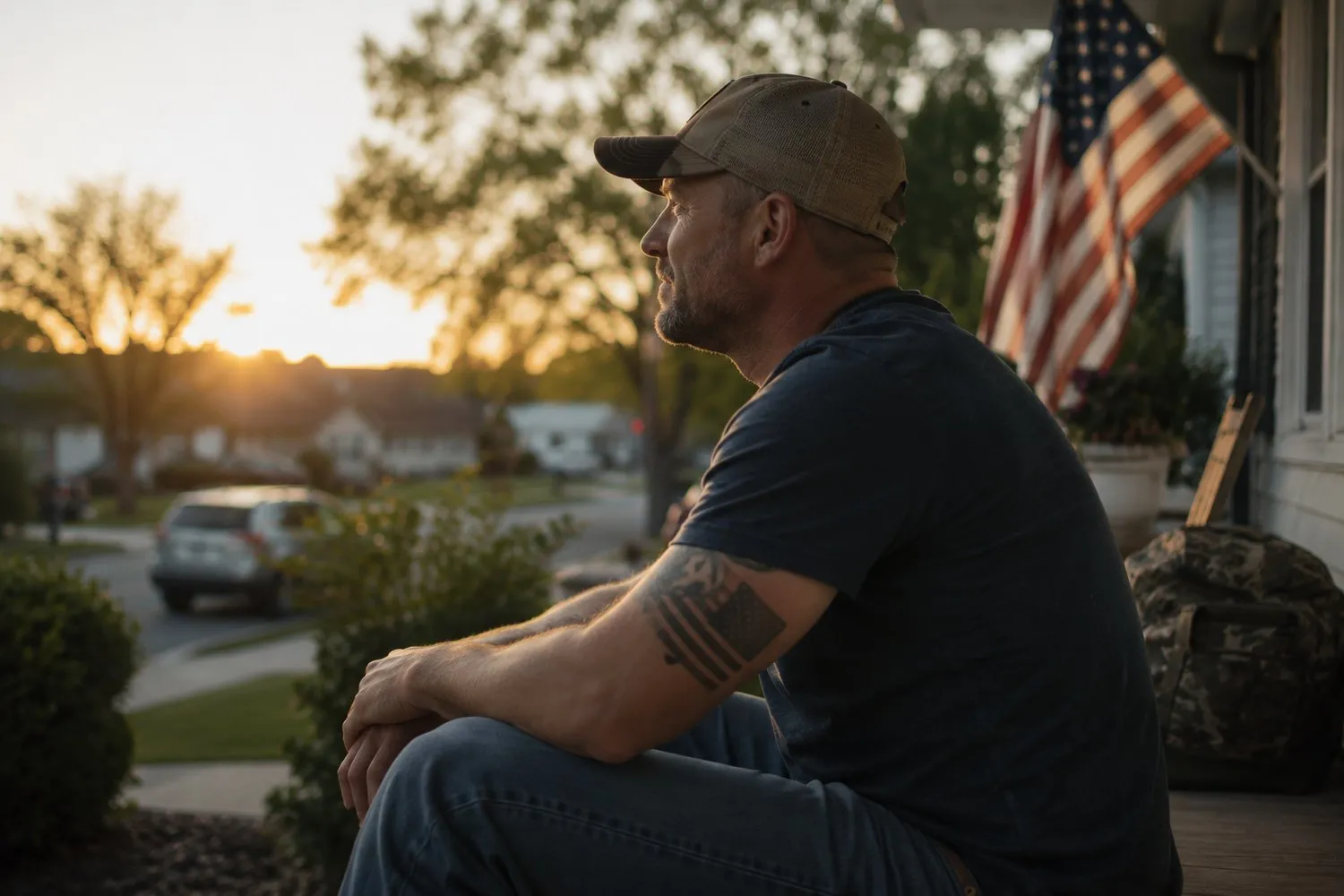
Service leaves a lasting imprint, and the transition to civilian life brings its own challenges. shrinkMD provides private, practical psychiatric care for veterans, with respect for what service asks and an understanding of the conditions that often follow it.
Medically reviewed by Shariq Refai, MD, MBA, FAPA, board certified psychiatrist · Last reviewed June 7, 2026 · Editorial policy
What we help with
Conditions that often follow service
The effects of service can show up long after it ends. We commonly help with:
- PTSD and trauma responses
- Depression and loss of purpose
- Anxiety, hypervigilance, and anger
- Sleep disturbance and nightmares
- The identity shift and isolation of civilian transition
How it works
Care that respects service
Trauma aware evaluation
A careful assessment that recognizes PTSD, depression, anxiety, and the realities of transition.
A practical plan
Therapy coordination and non controlled medication when appropriate, built around your life now.
Private, flexible care
Secure video visits from home, with the privacy and continuity you deserve.
Connected to resources
We help you connect with VA and community resources when that's the right fit alongside our care.

Reaching out is a sign of strength, not the opposite.
After service
The transition is its own clinical event
Leaving service means losing structure, mission, and the people who understood without explanation, all at once. Depression, PTSD, sleep problems, and heavy alcohol use commonly surface or worsen in the first civilian years. Moral injury, when events violated what you believe is right, can run deeper than fear based trauma and often goes unnamed.
None of this means something is wrong with you. It means the nervous system is recalibrating from an environment most civilians never experience.
Alongside the VA
Private care that complements your benefits
Some veterans use the VA happily. Others face long waits, prefer privacy, or want a second opinion on a diagnosis or medication plan. We provide evaluations, medication management, and therapy coordination as a private complement to VA care, and with your permission we coordinate records so nothing conflicts.
Treatment choices follow the same evidence used in VA practice, including trauma focused therapy and non controlled medication options, delivered on your schedule.
More than PTSD
Every veteran's story is different
Not every veteran has PTSD, and assuming so does veterans no favors. Depression, anxiety, sleep problems, and alcohol use are at least as common after service, and moral injury, the wound of events that violated your sense of right, often matters more than fear based trauma and answers to different treatment.
A careful evaluation maps what is actually present rather than what the stereotype predicts. That is where useful treatment starts.
Sleep
Often the first battle worth winning
Hypervigilant sleep, nightmares, and years of operational scheduling leave many veterans sleeping in fragments long after discharge. Poor sleep then amplifies everything else: mood, anger, concentration, and pain.
Evidence based options are specific here: imagery rehearsal therapy for recurring nightmares, CBT-I for insomnia itself, and careful, non controlled medication choices where they help. Improving sleep first frequently makes the rest of treatment work better.
Practical fit
How we work alongside your benefits
You do not need a VA referral to be seen, and being in VA care does not prevent you from adding private care. With your permission we coordinate records both directions so medications never conflict.
We are a treatment practice rather than a disability evaluator, and we keep that line clear. What we provide is reliable outpatient care: evaluation, medication management, and therapy coordination, on a schedule that respects work and family.
Keep exploring
Related care and next steps
Frequently asked questions
Good questions, clear answers
Do you treat PTSD?
Yes. We evaluate and treat post traumatic stress with non controlled medication when appropriate and coordinated, evidence based trauma therapy.
Do you work with the VA?
We provide private care and can help you connect with VA and community resources when that complements your treatment. We're a separate, civilian telepsychiatry practice.
Do you prescribe controlled medication?
No. We use non controlled medications and coordinated therapy.
What if I'm in crisis?
Call or text 988 and press 1 for the Veterans Crisis Line, or text 838255. Call 911 if you're in immediate danger. shrinkMD is scheduled outpatient care, not a crisis service.
Do I need a VA referral to be seen at shrinkMD?
No. You book directly like any patient. Private care can run alongside VA care or stand on its own, whichever fits your situation.
Can you treat me if I already receive VA care?
Yes. With your permission we coordinate records in both directions so medications and plans never conflict. Many veterans use the VA for some services and private care for psychiatry.
Do you do disability or compensation evaluations?
No. We are a treatment practice, and we keep that line clear so your care stays focused on getting better. Your treatment records are yours and may be useful to processes you pursue elsewhere.
Do I have to talk about combat or trauma right away?
No. You set the pace. Plenty of effective work, especially on sleep, mood, and alcohol use, happens before anyone goes near the hardest material, and some veterans never need trauma focused work at all.
Sources
Sources and further reading
Get started with veterans care
You served. Let us support you now. Choose your state, complete the intake, and book your evaluation online.
Join Our Waiting List