Specialty Populations
Healthcare Workers
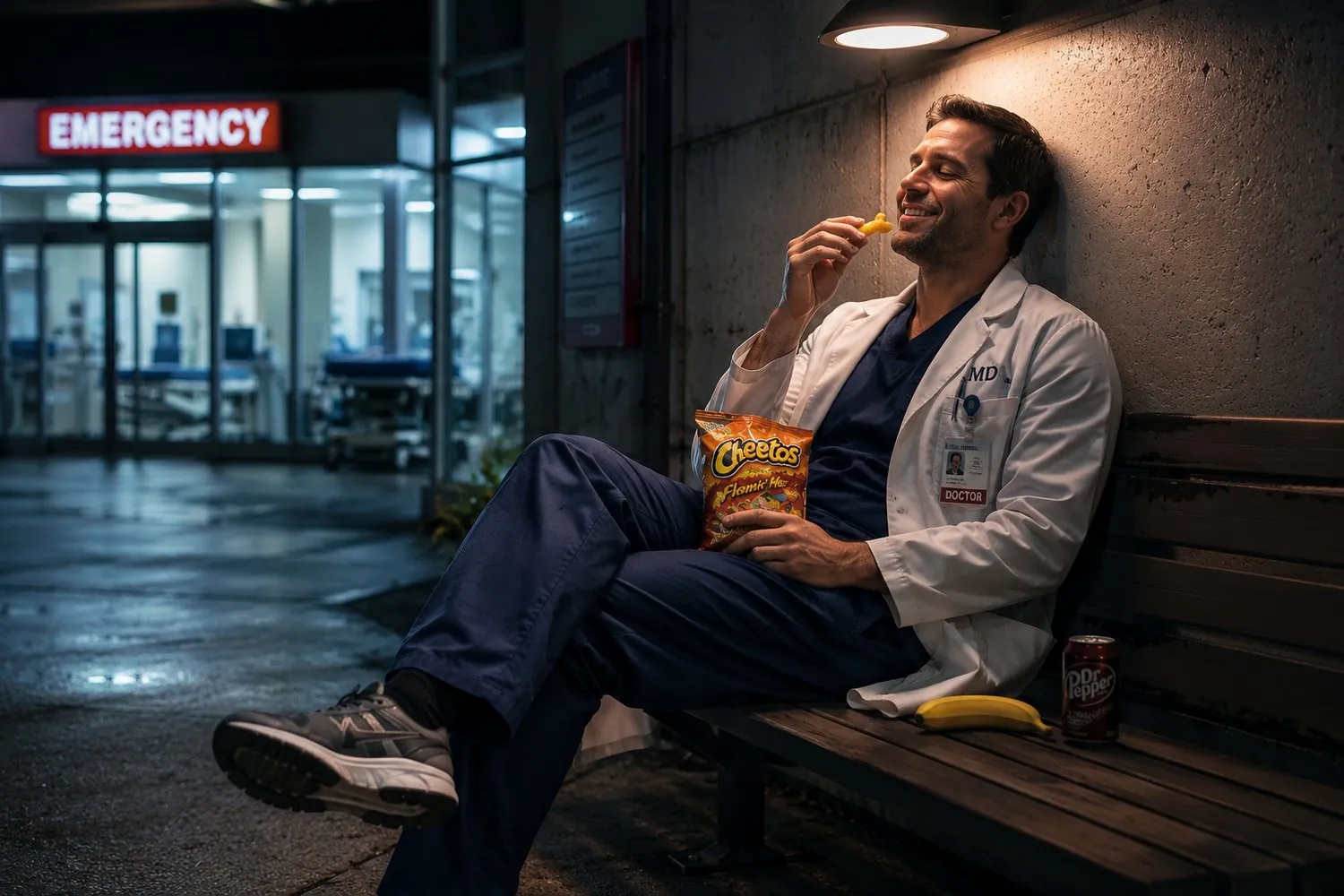
Healthcare workers spend their days caring for everyone else, often at the cost of their own wellbeing. Long shifts, trauma exposure, and a culture of pushing through take a real toll. shrinkMD provides discreet psychiatric care from clinicians who understand the work.
Medically reviewed by Shariq Refai, MD, MBA, FAPA, board certified psychiatrist · Last reviewed September 23, 2026 · Updated October 4, 2026 · Editorial policy
Already know your state is active? Skip to the waitlist.
What we help with
The toll the work can take
Caring for others under pressure has real costs. We commonly help with:
- Burnout and emotional exhaustion
- Trauma exposure and post traumatic stress
- Depression and anxiety
- Moral injury, the distress of being unable to do what you know is right
- Sleep disruption from shift work
How it works
Care built for clinicians' lives
Flexible, private scheduling
Secure video visits that fit around shifts, with the discretion the profession requires.
Accurate evaluation
A thorough assessment that distinguishes burnout, depression, anxiety, and trauma responses.
A practical plan
Therapy coordination and non controlled medication when appropriate, designed for a demanding schedule.
Confidential continuity
HIPAA compliant care with continuity, kept entirely separate from your workplace.

The people who care for everyone else deserve care too.
The double bind
Clinicians face barriers no one else does
Healthcare workers hesitate to seek care for reasons beyond stigma: fear of licensing questions, worry about colleagues finding out, and the temptation to self diagnose and self manage. Meanwhile the job supplies night shifts that fragment sleep, repeated exposure to suffering, and a culture that treats endurance as the only acceptable response.
Moral injury, the distress of being unable to give the care you know patients deserve, deserves its own name here. It's common, it isn't a personal failing, and it responds to treatment.
What we provide
Confidential care, outside your employer's walls
shrinkMD sits entirely outside hospital and employer systems, and because we don't bill insurance, your records stay between you and your clinician. Scheduling works around shifts, including post nights and weekend windows.
Clinically, we pay particular attention to shift related sleep disruption, depression and anxiety that hide behind competence, and the difference between burnout that needs systemic change and illness that needs treatment.
Licensing fears
About those board questions
The fear that seeking care endangers your license keeps many clinicians sick for years. The landscape is better than the fear: a growing number of state boards and credentialing bodies now ask only about current impairment, not whether you've ever received mental health treatment, a shift driven by physician wellness advocacy.
Getting treated is the protective move. Untreated illness is what creates impairment, and a private, self pay record that you control is about as quiet as care can be.
Shift work
The night shift brain
Rotating and overnight schedules pull sleep against biology, and the result is more than fatigue: circadian disruption independently worsens depression, anxiety, and irritability, and can mimic both. Some clinicians meet criteria for shift work disorder without ever having heard the term.
We treat this directly, with anchor sleep strategies, light timing, realistic scheduling of sleep around blocks of nights, and medication only where it genuinely helps. Fixing the sleep frequently shrinks the rest of the symptom list.
What we treat
The patterns we see most in clinicians
Alongside the conditions we treat in every population, clinicians bring recognizable patterns:
- Anxiety wired to perfectionism, where the fear of one mistake never powers down
- Depression hidden behind competence, visible only at home
- Trauma exposure from codes, deaths, and deliveries that didn't end well
- Moral injury from systems that prevent the care you trained to give
- Compassion fatigue that looks like cynicism and feels like guilt
- Alcohol or sedative use creeping into the wind down routine, screened without judgment
Keep exploring
Related care and next steps
Frequently asked questions
Good questions, clear answers
Is care confidential from my hospital or employer?
Yes. Care is private and HIPAA compliant, kept entirely separate from your workplace.
Can visits fit around shift work?
Yes. We schedule secure video visits flexibly to fit rotating and overnight shifts.
Do you prescribe controlled medication?
No. We use non controlled medications and coordinated therapy.
Will treatment show up to my licensing board or credentialing?
We report nothing to boards or employers. A growing number of boards now ask only about current impairment rather than any history of treatment, and a private, self pay record you control keeps your care your business.
Do you treat physicians, nurses, residents, and other clinicians differently?
The medicine is the same; the context isn't. Your clinician understands call schedules, litigation stress, credentialing anxieties, and the strangeness of being a patient when you're usually the one treating.
Can I schedule around nights and rotating shifts?
Yes. We book around blocks of nights, post call days, and weekend stretches, and your follow up cadence flexes with your rotation rather than fighting it.
Is burnout an actual diagnosis?
Burnout is an occupational syndrome rather than a psychiatric diagnosis, but it's real, measurable, and a credible path into depression. An evaluation distinguishes the two, because they call for different responses.
Can I just have a colleague write me a prescription instead?
Informal curbside prescribing for yourself or by a friend is a path boards and ethics guidance warn against for good reason. A proper evaluation protects you clinically and professionally, and it's faster to arrange than most clinicians expect.
Your next step in The Shrink Network
You are here: shrinkMD, the clinical care layer of The Shrink Network.
Each site in the network has one job. No matter where you enter, we help you find the next step that makes sense.
Get clinical care with shrinkMD
Want to understand more first?
How this page is reviewed and how to cite it
Verify independently: ORCID · Wikidata · NPI Registry · All shrinkMD credentials
shrinkMD. (2026). Mental Health Care for Healthcare Workers Online [Web page, medically reviewed by Shariq Refai, MD, MBA]. https://shrinkmd.com/healthcare-workersSources
Sources and further reading
Get started with care for healthcare workers
shrinkMD is opening first in Maine and Nebraska. Join the waitlist and we'll email you when booking opens in your state.
Get StartedAlready know your state is active? Skip to the waitlist.