shrinkMD Framework
The Panic Reset: how to stop a panic attack, step by step
The Panic Reset is a step by step method to calm panic attacks when the body feels out of control. It helps you slow adrenaline surges, ground the nervous system, and regain a sense of safety during a panic episode.
Medically reviewed by Shariq Refai, MD, MBA, FAPA, board certified psychiatrist · Last reviewed September 23, 2026 · Updated October 4, 2026 · Editorial policy


What it helps you do
Ride the wave and bring it down
The Panic Reset helps you:
- Slow the adrenaline surge with paced breathing
- Ground your senses in the present moment
- Remind your body that the sensations are adrenaline, not danger
- Reduce the intensity within minutes
- Recover gently after the wave passes
Free download. Educational support, not a substitute for care.
Good to remember
Panic peaks, then it passes
Panic attacks feel frightening, but they aren't dangerous, and they always come back down, usually within minutes. The Reset gives you something concrete to do while that happens.
Keep the steps somewhere you can reach them quickly. If panic attacks are recurring, evaluation and care can reduce both the attacks and the fear between them.
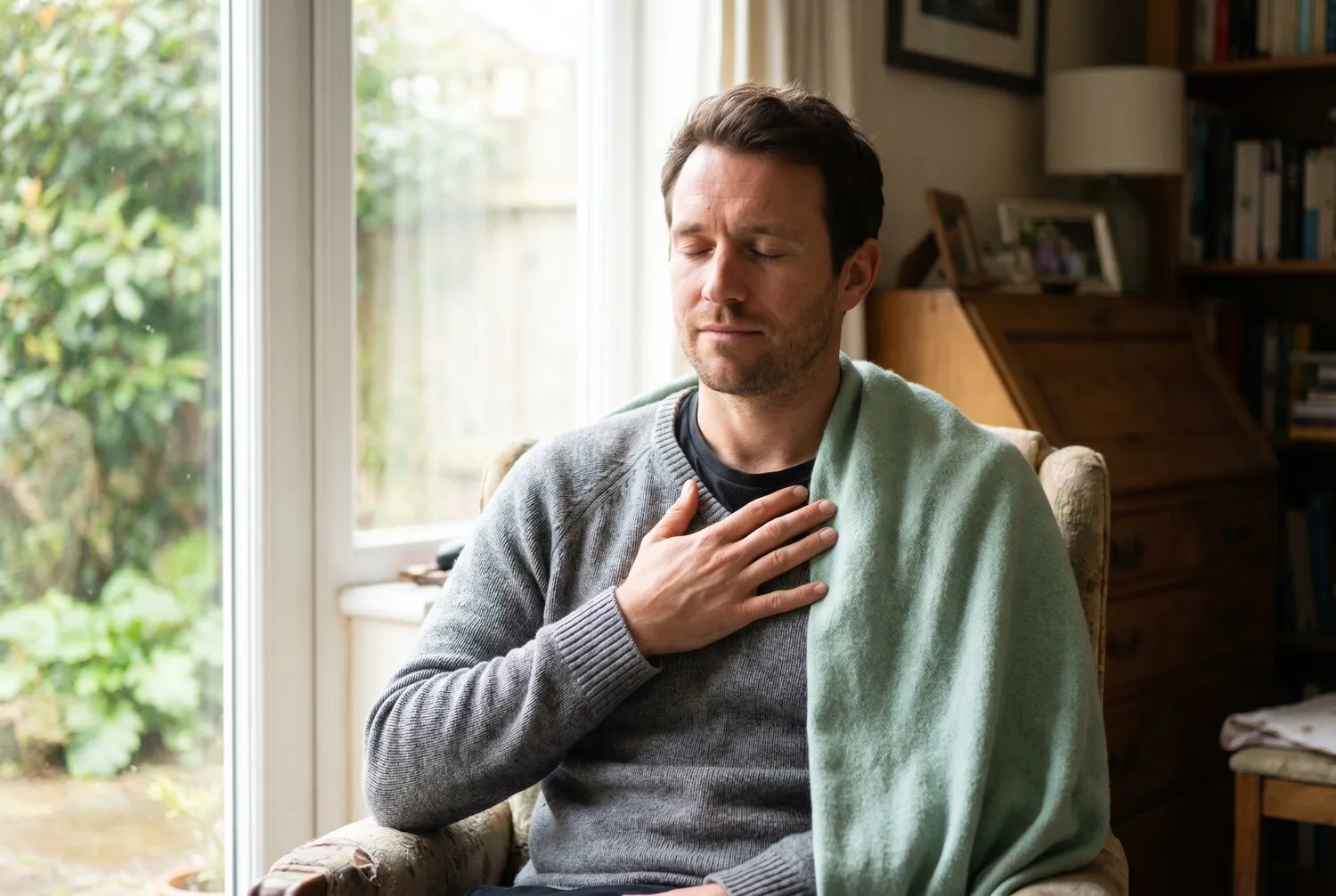
The science
What a panic attack actually is
A panic attack is a false alarm: the body's full emergency response, adrenaline surge included, fired at a moment with no emergency. The pounding heart, air hunger, dizziness, and sense of doom are real physiology, which is why no amount of just relax works mid wave. Attacks typically peak within about ten minutes and then recede on their own.
One responsible caveat: panic shares symptoms with cardiac and other medical events. A first ever episode of chest pain or unusual symptoms deserves a medical check. Once panic is the confirmed pattern, the Reset is built for exactly these moments.
Inside the guide
The steps, and why each one works
The sequence is deliberate, body first, meaning second:
- Paced breathing with a slow, extended exhale, which directly counters the adrenaline surge
- 5-4-3-2-1 grounding through your senses, pulling attention out of the spiral and into the room
- Naming it: this is adrenaline, not danger, which recruits the thinking brain back online
- Staying put when it's safe to do so, because fleeing teaches your brain the false alarm was real
- A gentle recovery routine afterward, since the post wave shakiness is normal chemistry clearing
The bigger battle
Breaking the fear of the next attack
Panic disorder is less about the attacks than about the fear between them. Anticipatory dread and avoidance, skipping the highway, the store, the meeting, shrink life faster than the attacks themselves, and every avoided situation confirms the danger story.
That cycle is highly treatable. Structured therapy teaches your nervous system that the sensations are survivable, and medication can lower the baseline so the alarm stops tripping. If attacks are recurring or your map of avoided places is growing, that's the moment to book an evaluation.
Keep exploring
Keep exploring
Go deeper across The Shrink Network
- AnxietyResource: Panic disorder: what an attack feels like
- Shrinkopedia: Panic attack (encyclopedia)
- Shrinktionary: Panic attack, defined
- AnxietyResearch: Panic disorder treatment: the evidence
- ShrinkDaily: Breathing regulation
- shrinQ: shrinQ panic reset guide
- The Shrink Network: Network panic attack action card
- Unstuck: When you're spiraling
These sites and shrinkMD are part of The Shrink Network, founded by Shariq Refai, MD.
Frequently asked questions
Good questions, clear answers
Is the Panic Reset free?
Yes. The full guide is a free PDF download.
Are panic attacks dangerous?
No. They feel frightening, but they don't cause heart attacks or loss of control. They peak and pass, usually within minutes.
Should I get care for panic attacks?
If they recur, yes. Treatment can reduce both the attacks and the dread between them. The Reset helps in the moment.
How long do panic attacks last?
Most peak within about ten minutes and fade over twenty to thirty, even with no intervention. The Reset doesn't have to stop the wave, it gives you something effective to do while the wave does what waves do: pass.
How do I tell a panic attack from a heart attack?
You shouldn't have to guess alone: a first episode of chest pain, or symptoms unusual for you, deserves immediate medical evaluation. Once panic is medically confirmed as your pattern, the familiar signature, racing heart, air hunger, tingling, peak and fade, becomes recognizable.
Why do I get panic attacks at night?
Nocturnal panic is common: the brain registers internal body shifts during sleep and fires the alarm. The same breathing and grounding steps work at 3 a.m., and improving sleep regularity reduces how often it happens.
Should I just avoid the places where I get attacks?
Avoidance feels protective and works in the moment, but it teaches your brain the place was the danger, so the map of unsafe places keeps growing. The treatment that lasts goes the other direction, gradually and with support.
Can medication stop panic attacks?
SSRIs and similar non controlled medications reliably reduce attack frequency and the anxiety between attacks, usually within several weeks. We don't prescribe benzodiazepines, which work fast but feed avoidance and dependence; the durable combination is medication plus the skills in this Reset.
Learn more
shrinkMD offers board-certified telepsychiatry by secure video. See where we offer care and how care works.
Your next step in The Shrink Network
You are here: shrinkMD, the clinical care layer of The Shrink Network.
Each site in the network has one job. No matter where you enter, we help you find the next step that makes sense.
Get clinical care with shrinkMD
Want to understand more first?
How this page is reviewed and how to cite it
Verify independently: ORCID · Wikidata · NPI Registry · All shrinkMD credentials
shrinkMD. (2026). How to Stop a Panic Attack: The Panic Reset [Web page, medically reviewed by Shariq Refai, MD, MBA]. https://shrinkmd.com/panic-resetWant fewer attacks, less fear?
shrinkMD is opening first in Maine and Nebraska. Join the waitlist and we'll email you when booking opens in your state.
Join Our Waiting List