Specialty Populations
Sports Psychiatry
Athletes and high performers face mental demands the rest of us don't: pressure, scrutiny, injury, identity tied to performance, and the grind of training and travel. shrinkMD provides sports and performance psychiatry led by a clinician with board certification in exactly this field.
Medically reviewed by Shariq Refai, MD, MBA, FAPA, board certified psychiatrist · Last reviewed September 23, 2026 · Updated October 4, 2026 · Editorial policy
Already know your state is active? Skip to the waitlist.

Real expertise
Led by a board certified sports psychiatrist
Dr. Refai is dual board certified in psychiatry and in sports and performance psychiatry. He has served as a team psychiatrist in professional sport and has been listed in the United States Olympic and Paralympic Committee directory of psychiatrists available to Olympic and Paralympic athletes.
That means care that understands competition, identity, injury, and the realities of an athlete's schedule, not generic advice. Mental health is treated as part of performance, because it is.
What we help with
Common concerns for athletes and performers
We commonly help with:
- Performance anxiety and pressure
- Burnout, overtraining, and loss of motivation
- Mood changes, depression, and irritability
- Sleep disruption from travel and training
- Identity, transition, and life after sport
- Resilience, focus, and mental skills
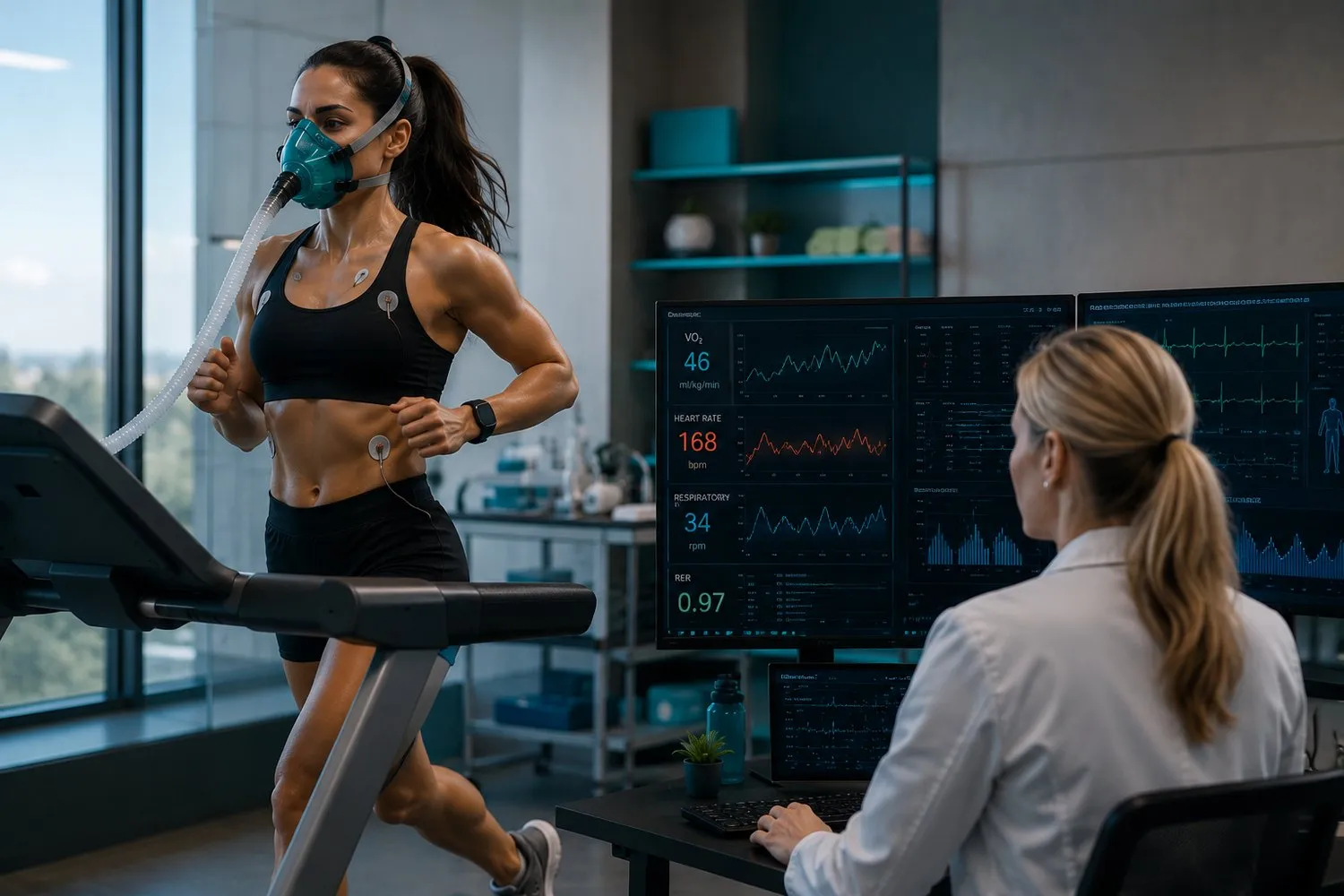
Mental health is performance health. The two aren't separate.
How it works
Confidential, performance aware care
Comprehensive evaluation
We assess mental health alongside training load, sleep, schedule, and the demands of your sport.
A plan that fits your season
Treatment built around competition, travel, and recovery, with non controlled medication only when appropriate.
Therapy and mental skills
We coordinate therapy and performance focused strategies for focus, resilience, and stress.
Private and continuous
Confidential care by secure video, with continuity through your season and beyond.
The athlete's reality
Performance and mental health are the same system
Athletes face a specific cluster of pressures: identity fused to performance, public evaluation, injury that removes both routine and purpose, travel that wrecks sleep, and a culture where admitting struggle can feel like handing a rival the job. Depression and anxiety rates among elite athletes match or exceed the general population, but help seeking lags far behind.
Injury windows and retirement transitions are especially high risk, and they're exactly when structured psychiatric support earns its keep.
Treatment that fits sport
Plans that respect training and testing
Medication choices consider energy, weight, reaction time, and sleep architecture, and we discuss anti doping obligations openly so nothing in your treatment surprises a governing body. Sleep is treated as a performance asset, with travel and competition schedules built into the plan.
Therapy targets the athlete specific terrain too: performance anxiety, perfectionism, fear of reinjury, and rebuilding identity beyond the sport.
What we see most
Common presentations in athletes
The conditions are familiar; the way they show up in sport is specific:
- Performance anxiety that spills past competition into sleep and daily life
- Depression after injury, deselection, or a season ending result
- Sleep disruption from travel, training loads, and late competition
- Eating and fueling concerns, including patterns that threaten health and performance
- Attention concerns, evaluated carefully and honestly within our no controlled substance policy
- Identity strain when sport stops, whether for a season or for good
Injury
Rehab has a psychological half
Injury removes training, routine, team contact, and identity in one stroke, which is why depression risk climbs while an athlete is sidelined. Fear of reinjury then complicates return to play: hesitation changes mechanics, confidence lags behind clearance, and the athlete who's physically ready may not feel ready.
We treat the mood and anxiety components directly and work alongside your medical and performance staff, with your permission, so the psychological rehab keeps pace with the physical one.
Myths and facts
What athletes get told, and what's true
Myth: Seeing a psychiatrist means I'm not mentally tough.
Fact: Elite sport increasingly treats mental health care like physiotherapy: maintenance for the most important piece of equipment you own. Toughness is getting the problem handled.
Myth: Medication will dull my edge.
Fact: Treatment is chosen around your performance, sleep, weight, and reaction time, and adjusted with your feedback. Untreated depression and anxiety cost far more edge than well chosen treatment does.
Myth: A mental skills coach covers this.
Fact: Performance psychology builds skills. Diagnosable conditions like depression, panic, or an eating disorder need clinical treatment. The two work well together, and we're clear about which is which.
Keep exploring
Related care and next steps
From the shrinkMD blog
Frequently asked questions
Good questions, clear answers
What's sports psychiatry?
Sports psychiatry applies psychiatric expertise to the specific mental health and performance needs of athletes, including performance anxiety, mood, sleep, burnout, and the psychology of competition and identity.
Who provides sports psychiatry at shrinkMD?
Dr. Shariq Refai, who's dual board certified in psychiatry and in sports and performance psychiatry and has served at the professional and Olympic levels of sport.
Do you prescribe stimulants for performance or ADHD?
No. We don't prescribe controlled substances, including stimulants. We focus on safe, evidence based, non controlled treatment and performance strategies.
Is it confidential?
Yes. Care is private and HIPAA compliant, which matters for athletes concerned about visibility.
Do you understand anti doping rules?
Yes. Before prescribing, we discuss your sport's testing obligations and check medication choices against the relevant rules, so nothing in your treatment creates a problem with a governing body. That conversation happens up front, not after the fact.
Can you help with performance anxiety if I don't have a diagnosis?
Yes. Performance anxiety sits on a spectrum, and you don't need to wait for it to become a disorder. An evaluation clarifies what's going on, and treatment can be skills based, medication based, or both.
Do you work with amateur and college athletes or only professionals?
All levels. The pressures differ in scale but not in kind, and college athletes in particular sit in the highest risk age window for first episodes of most conditions.
Can you coordinate with my team physician or athletic trainer?
Yes, with your written permission, and only to the degree you choose. Many athletes keep psychiatric care fully separate from team staff, which self pay care makes simple.
Your next step in The Shrink Network
You are here: shrinkMD, the clinical care layer of The Shrink Network.
Each site in the network has one job. No matter where you enter, we help you find the next step that makes sense.
Get clinical care with shrinkMD
Want to understand more first?
How this page is reviewed and how to cite it
Verify independently: ORCID · Wikidata · NPI Registry · All shrinkMD credentials
shrinkMD. (2026). Sports Psychiatry Online | Athlete Mental Health [Web page, medically reviewed by Shariq Refai, MD, MBA]. https://shrinkmd.com/sports-psychiatryGet started with sports psychiatry
shrinkMD is opening first in Maine and Nebraska. Join the waitlist and we'll email you when booking opens in your state.
Get StartedAlready know your state is active? Skip to the waitlist.