Telepsychiatry · 9 min read
How telepsychiatry is changing mental health care
Telepsychiatry didn't become permanent because video calls are convenient. It lasted because it solved problems that existed long before the pandemic: months-long waits, geographic gaps, and care that fell apart between appointments. The real change isn't where care happens, it's when it happens and how consistently it continues. That timing shift is the part no one explains.
Medically reviewed by Shariq Refai, MD, MBA, FAPA, board certified psychiatrist · Last reviewed September 23, 2026 · Updated October 4, 2026 · Editorial policy

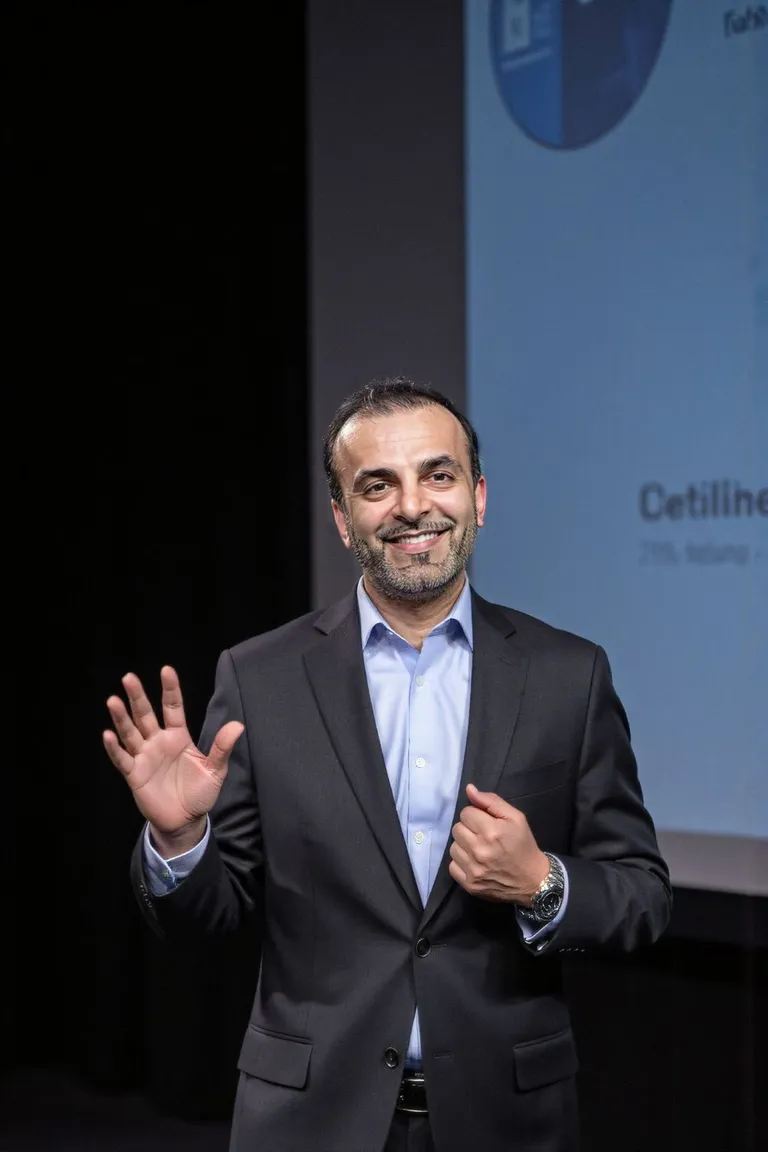
From my practice · Shariq Refai, MD, MBA, FAPA
The change I have actually watched happen
I've practiced through the shift to telepsychiatry, and the change I care about isn't the convenience, it's the reach. People in towns with no psychiatrist for a hundred miles can now see one. People too anxious to sit in a waiting room can be seen at all. Access is the quiet revolution, not the screen itself.
I'm clear eyed about the limits. Telepsychiatry hasn't fixed the shortage of clinicians or replaced the cases that need a hands on exam. But it has removed a stack of barriers that used to keep ordinary people out of care entirely, and from where I sit that's the most important thing it has done.
Why telepsychiatry exists at all
Telepsychiatry emerged because the traditional system struggled to meet people where they were. Wait times for psychiatrists often stretched for months. In rural and underserved areas, psychiatrists were scarce or absent; even in major cities, availability rarely matched demand. Geography quietly decided who got care, the nearest appointment could require hours of travel and repeated time off work.
Stigma added another layer. Walking into a mental health office still feels difficult for some people, and concerns about privacy or being seen pushed care further down the priority list. The result wasn't mild inconvenience: people arrived later than they should have, symptoms had more time to entrench, and patterns went unexamined.
Telepsychiatry didn't solve every problem, but it corrected a major one. It removed distance as a gatekeeper and shortened the gap between noticing a problem and talking it through with someone trained to make sense of it. Earlier access doesn't guarantee a specific outcome, but it allows earlier understanding, and access shapes outcomes.
The most common myths about virtual care
Myth one: telepsychiatry feels impersonal. Many people experience the opposite. Talking from a familiar space often lowers guard, you sit in your own home, not a waiting room, and that comfort can make hard things easier to say out loud.
Myth two: telepsychiatry equals quick prescribing. Rushed care can happen anywhere, offices, clinics, hospitals. Quality depends on how care is practiced, not where the clinician sits. A thoughtful evaluation still takes time, listening, and context, whether across a desk or a screen.
Myth three: virtual care is lower quality or only fits mild concerns. Research and clinical experience continue to show that outcomes depend far more on continuity, engagement, and clinical judgment than on physical location. People seek virtual care across a wide range of severity; what matters is whether the setting fits the situation, and when it doesn't, responsible clinicians say so and guide next steps.
What actually determines quality
Quality begins with conversation. Psychiatry relies on listening, not procedures: understanding how symptoms developed, how they change, and how they affect daily life. That process doesn't depend on a physical room, it depends on whether the clinician takes time to ask thoughtful questions and allow space for nuance.
Pattern recognition over time matters just as much. Symptoms evolve, stressors shift, and what overwhelms one month may soften the next. Quality care tracks those patterns, and telepsychiatry helps by making follow-up realistic. When appointments are easier to keep, continuity improves, and continuity drives insight. Research consistently finds that virtual care reduces missed appointments and supports engagement, which is where many systems falter.
Finally, judgment and boundaries define quality. A responsible psychiatrist knows when telepsychiatry fits and when it doesn't, and guides people toward in-person or higher-level care when needed. Technology is just a tool: a video platform doesn't decide how careful an evaluation is. Some models prioritize speed and volume; others prioritize depth and continuity. Those choices shape care far more than the screen.
Where telepsychiatry has real limits
Safety comes first. Telepsychiatry isn't designed to replace emergency care or manage acute crises remotely. When someone faces immediate risk or rapidly escalating symptoms, in-person evaluation and higher levels of support matter, if you're in crisis, call or text 988, or call 911 for an emergency. Responsible virtual care includes clear pathways for urgent referral.
Certain clinical situations also call for face-to-face care: complex medical conditions, severe substance use, or anything requiring physical examination or close monitoring. Telepsychiatry works within a broader system of care, not outside of it.
Practical constraints deserve honesty too. Not everyone has reliable internet, a private space, or comfort with video, and privacy depends partly on your environment, not just the platform. Good care discusses these realities and helps problem-solve. What telepsychiatry can never replace is judgment, risk assessment, ethics, and clinical decision-making still sit with the clinician.
The part no one explains: continuity
Most conversations about telepsychiatry focus on novelty, video visits, apps, convenience. The biggest change it actually brings is continuity. Psychiatric care works best when it unfolds over time: symptoms evolve, context changes, and what helps at one point may stop helping later. Telepsychiatry makes it easier to stay connected to care rather than dropping in and out of it.
Missed appointments matter more than people realize. Long drives, time off work, and childcare logistics lead people to cancel or delay follow-ups. Remove those friction points and appointments happen more consistently: clinicians see clearer patterns, patients feel less pressure to compress everything into one visit, and treatment gets adjusted early instead of reactively. Trust also builds through repetition, not intensity, when you can see the same clinician regularly without long gaps, conversations deepen and subtle shifts become visible.
This is where telepsychiatry quietly changes outcomes. Not because the screen improves care, but because timing does. Care that happens when it's needed, rather than when schedules align, often keeps problems from compounding. Telepsychiatry doesn't change what good care looks like, it changes when care can happen.
How it changes the patient experience
Traditional medical settings can feel intimidating, the waiting room, the exam room, the sense that time is short and authority sits on one side of the desk. Joining from your own space softens that imbalance. People tend to speak more freely when they feel grounded, notice emotions more clearly, and explain experiences with less pressure to perform or minimize.
Reduced intimidation also changes what people ask. Many hesitate to raise concerns in person because they worry about taking too much time or sounding unsure. Virtual visits lower that barrier: people ask more questions, clarify uncertainties, and participate more actively in decisions instead of deferring automatically. Psychiatry works best when patient and clinician think together, and that collaboration often feels more natural on video than people expect.
None of this makes the work emotionally easier, talking about mental health still requires honesty and vulnerability. What changes is the setting in which that work happens, and a care experience that feels less intimidating tends to keep people engaged over time. In psychiatry, that willingness to stay engaged often matters as much as any single intervention.
How shrinkMD approaches telepsychiatry
shrinkMD was built psychiatry-first: telepsychiatry as an extension of traditional psychiatric care, not a replacement for clinical judgment. That means starting with a careful evaluation, looking for patterns over time, and taking symptoms seriously without forcing them into quick categories. Access is designed with guardrails, thoughtful screening, clearly named limits, and redirection to in-person or higher-level care when the situation calls for it.
The practice is opening first in Maine and Nebraska for adults 18 and older, with more states opening as clinician licensure completes (see locations), which supports continuity when people relocate, travel, or split time between places. Two structural choices keep the model clean: shrinkMD doesn't prescribe controlled substances such as stimulants or benzodiazepines, and it doesn't bill insurance, fees are flat and published upfront, with superbills available for out-of-network reimbursement. You can see the full process at how it works.
The goal stays what it has always been in psychiatry: understand the person in front of you, respect complexity, and adapt care as needs evolve. Telepsychiatry is a tool. Used thoughtfully, it expands access while keeping standards, boundaries, and individualized care at the center.
Key takeaways
Five things to remember
- Telepsychiatry lasted because it solved long waits, geographic gaps, and dropped follow-up, problems that existed well before the pandemic.
- Quality depends on listening, pattern recognition, and clinical judgment rather than physical location, so careful evaluation translates fully to video.
- The biggest change is continuity: easier appointments mean fewer missed follow-ups, clearer patterns, and treatment adjusted early instead of reactively.
- Virtual care has real limits, including emergencies, situations needing physical examination, and patients without reliable internet or private space.
- Joining from your own space softens the power imbalance of clinical settings, and people ask more questions and participate more actively.
Go deeper across The Shrink Network
You are here: shrinkMD, the clinical care layer of The Shrink Network.
Each site in the network has one job. No matter where you enter, we help you find the next step that makes sense.
Want to understand more first?
- Shrinkiatry: Rural and telepsychiatry access programs
- AnxietyResearch: Rural and urban access disparities
These sites and shrinkMD are part of The Shrink Network, founded by Shariq Refai, MD.
Keep exploring
Keep reading, or take the next step
Frequently asked questions
Good questions, clear answers
Is telepsychiatry as effective as in-person psychiatric care?
Yes, for many conditions. Studies show comparable outcomes for depression, anxiety disorders, and ongoing medication management. Effectiveness depends far more on the clinician's training, the quality of the evaluation, and continuity over time than on physical location.
Does telepsychiatry work for serious mental health conditions?
It can support a wide range of severity, often as part of a broader plan, particularly for follow-up and continuity. Some situations require in-person evaluation, higher levels of care, or immediate intervention. Responsible telepsychiatry includes careful triage and clear decisions about when virtual care fits.
How do I know if telepsychiatry is right for me?
It's often a good fit for adults who value flexibility and consistent follow-up, commonly for depression, anxiety, mood changes, stress-related symptoms, and medication management. It's less appropriate for acute crises. An initial clinical assessment is the most reliable way to determine fit.
Is it harder to build a real therapeutic relationship online?
No. Strong therapeutic relationships depend on trust, consistency, and feeling understood, not physical proximity. Many people find it easier to open up from a familiar environment, and when care is consistent over time, relationships often deepen regardless of format.
Is telepsychiatry secure and private?
Yes, visits run on encrypted, HIPAA-compliant platforms with the same confidentiality standards as office care. Privacy also depends on your environment, so choosing a quiet, private space for sessions supports open conversation.
Can telepsychiatry prescribe controlled substances?
Rules vary by federal and state regulation, but shrinkMD has made a clear choice: it doesn't prescribe controlled substances such as stimulants or benzodiazepines. Treatment focuses on evidence-based non-controlled medications, careful monitoring, and sound clinical judgment.
Does shrinkMD take insurance?
No, shrinkMD doesn't bill insurance. Fees are flat and published upfront, so there are no surprise charges, and superbills are provided on request for patients who want to seek out-of-network reimbursement from their insurer.
What should I do in an emergency or crisis?
Telepsychiatry isn't a substitute for emergency services. If you or someone else is in immediate danger or experiencing active suicidal thoughts, call or text 988 (Suicide & Crisis Lifeline) or call 911 right away.
How this page is reviewed and how to cite it
EducationalVerify independently: ORCID · Wikidata · NPI Registry · All shrinkMD credentials
shrinkMD. (2026). How Telepsychiatry Is Changing Care [Web page, medically reviewed by Shariq Refai, MD, MBA]. https://shrinkmd.com/telepsychiatry-changing-mental-health-careAbout the author
Shariq Refai, MD, MBA, FAPA
I'm a board certified psychiatrist and the founder of shrinkMD, a telepsychiatry platform built around access, continuity, and clinical rigor. My work focuses on helping people understand their mental health clearly and thoughtfully, without rushing to conclusions or shortcuts. I have clinical experience across a range of settings, including work with high-performing individuals and professional athletes, and I remain committed to care that's careful, individualized, and grounded in sound clinical judgment. shrinkMD provides psychiatric care across multiple licensed states in the US, with an emphasis on responsible telepsychiatry and long-term continuity.
Questions like these deserve a real evaluation
shrinkMD is opening first in Maine and Nebraska. Join the waitlist and we'll email you when booking opens in your state.
Join Our Waiting List